Back to news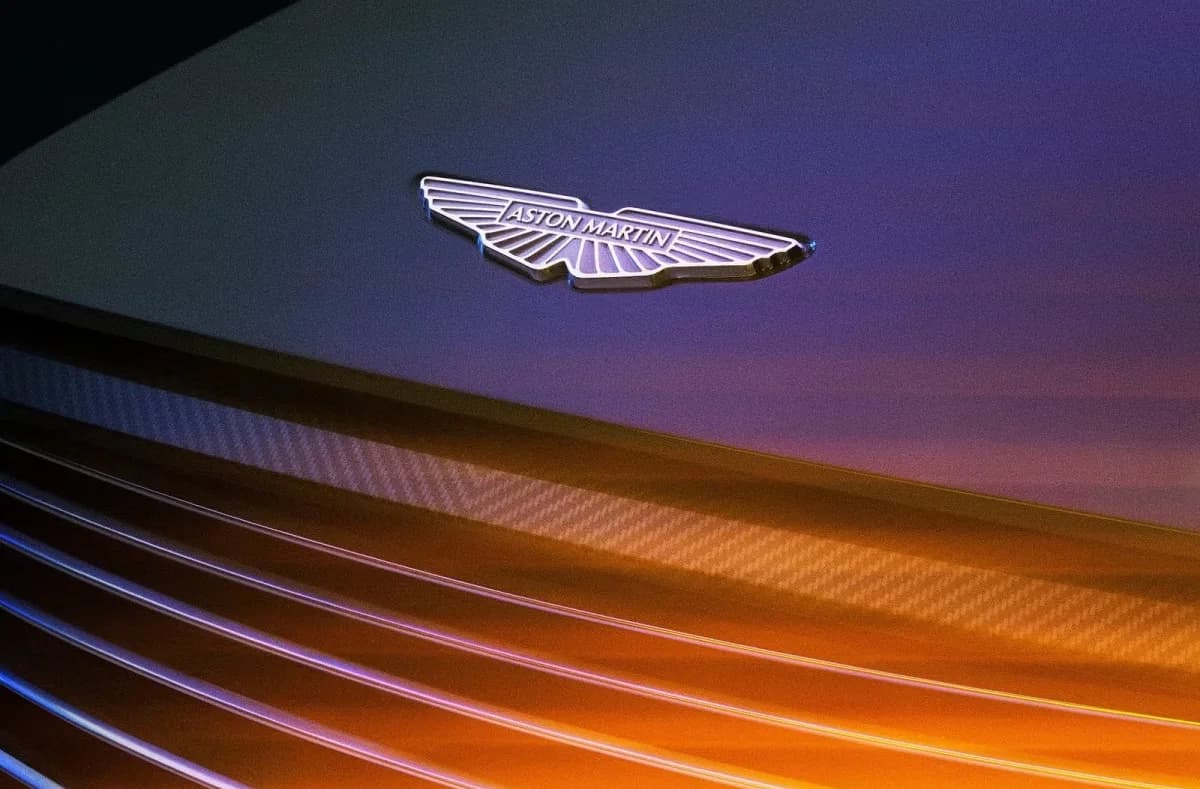
Aston Martin has announced a significant shift in its electrification strategy, pushing back the launch of its inaugural all-electric vehicle. The British luxury car manufacturer now anticipates introducing its first EV in 2033 or even later, abandoning its previously set timeline. This revelation comes from CEO Adrian Hallmark, who confirmed the revised schedule in an interview with Autocar UK, as reported by our sister publication Autocar India.
Hallmark's statement indicates a strategic pivot, suggesting that the impetus for developing battery electric vehicles (BEVs) is primarily driven by regulatory compliance rather than immediate market demand. He explicitly mentioned that the company's need for BEVs is "for legislative reasons," implying a less aggressive push into the electric segment compared to many of its luxury rivals. This approach allows Aston Martin to extend the lifecycle of its internal combustion engine (ICE) and hybrid offerings, focusing on these powertrains for a longer duration.
For the Indian market, where the luxury EV segment is gradually expanding, this delay from Aston Martin presents an interesting dynamic. While Aston Martin's sales volumes in India are niche, its strategic decisions often reflect broader trends in the ultra-luxury space. Indian buyers in this segment, increasingly exposed to electric options from brands like Porsche, Mercedes-Benz, and BMW, might see Aston Martin's delayed entry as a cautious approach. It suggests that the brand believes its traditional and hybrid offerings will continue to satisfy its discerning clientele in India for the foreseeable future, rather than rushing into a nascent EV market.
This move by Aston Martin contrasts with the aggressive electrification roadmaps adopted by many global automotive players, particularly within the premium and luxury segments. While numerous manufacturers are accelerating their transition to all-electric lineups, Aston Martin appears to be taking a more measured, demand-driven approach, at least concerning its pure EV strategy. The company's focus will likely remain on refining its current portfolio and introducing hybrid technologies as an intermediate step, ensuring compliance with evolving emissions standards while catering to customer preferences for high-performance ICE vehicles.
The absence of a fixed launch date beyond 2033 underscores the flexibility Aston Martin is building into its future product planning. This allows the brand to adapt to changing market conditions, technological advancements, and evolving legislative landscapes without being constrained by an early, rigid EV timeline. Ultimately, this decision reflects a pragmatic strategy to balance heritage, performance, and future sustainability, ensuring the brand's unique appeal continues to resonate with its global and Indian customer base. 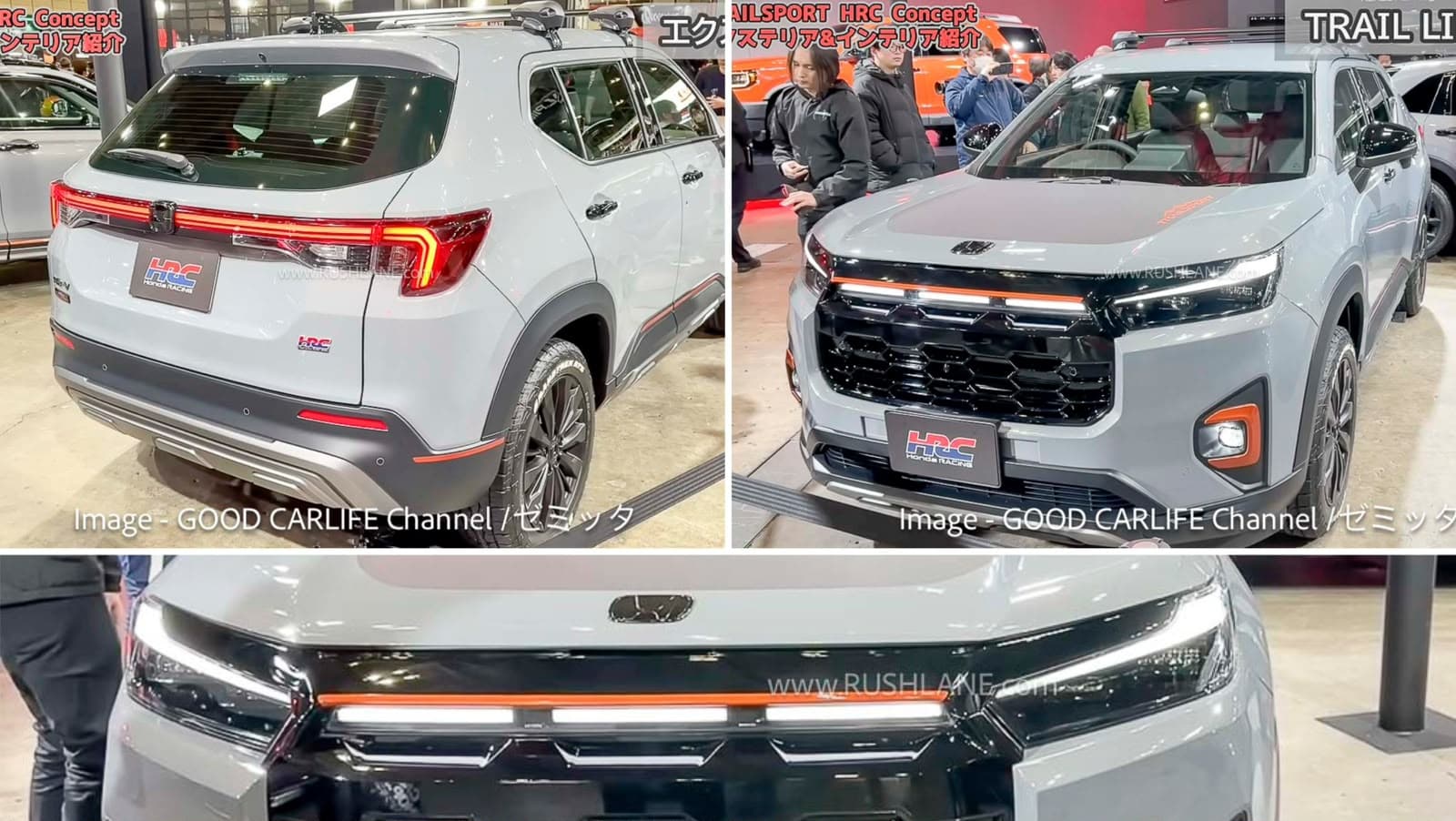

News
Aston Martin Delays First EV Launch to 2033 or Later
via Autocar India
Published 2 October 2026Updated 3 October 20263 min read
Aston Martin has announced a significant shift in its electrification strategy, pushing back the launch of its inaugural all-electric vehicle to 2033 or even later. CEO Adrian Hallmark confirmed the revised timeline, citing legislative compliance as the primary driver for BEV development.
Originally reported by Autocar India.
Related reading
News
Honda Elevate Facelift Teased with TrailSport Concept-Inspired Design for India
News
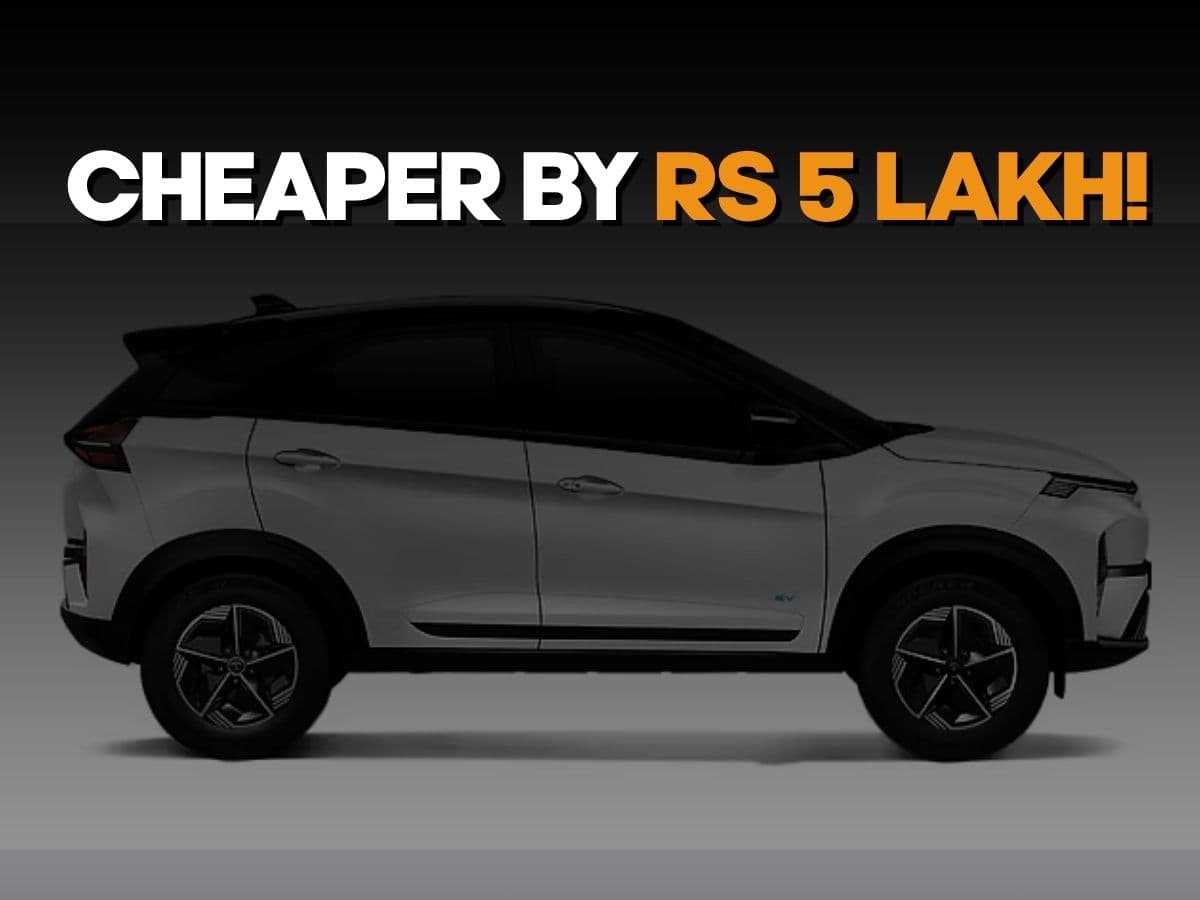
Indian Carmaker Slashes SUV Price by Rs 5.35 Lakh, Now Starts at Rs 9 Lakh
News
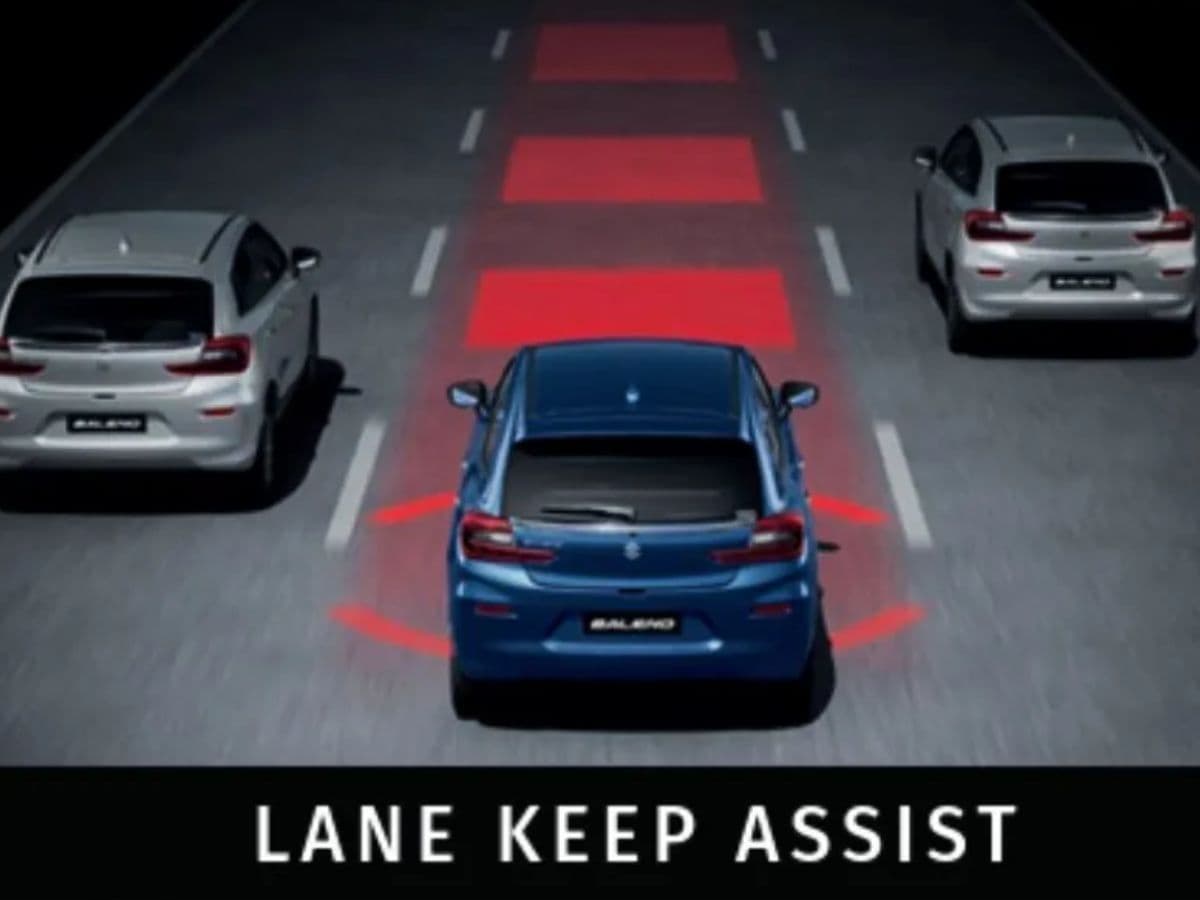
Maruti WagonR and Celerio Facelifts Expected to Prioritise Enhanced Safety
News