Back to news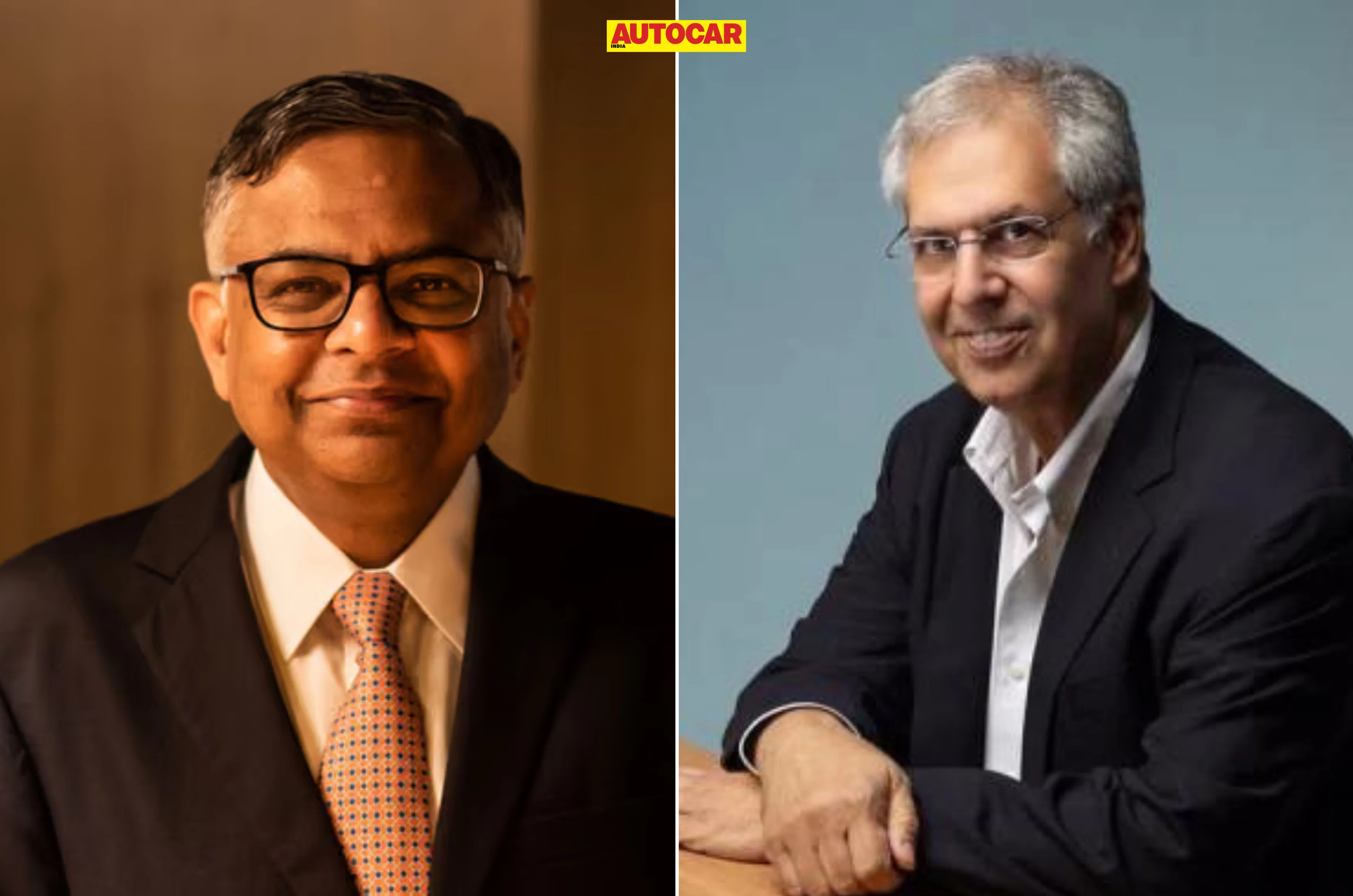
In a significant development for one of India's largest conglomerates, Tata Trusts has declared the re-appointment of N Chandrasekaran as the Executive Chairman of Tata Sons to be illegal. The resolution, passed by the Tata Sons board, aimed to extend Chandrasekaran's tenure for another five years. However, Tata Trusts, a pivotal entity within the group structure, has challenged the legitimacy of this decision.
The core of the dispute, as stated by Tata Trusts, stems from N Chandrasekaran's prior decision in August, where he reportedly chose not to seek another term. Tata Trusts maintains that this earlier decision is final and binding, rendering any subsequent re-appointment resolution by the Tata Sons board invalid. As the principal shareholder, owning approximately 66 percent of Tata Sons, the Trusts' stance carries substantial weight and directly challenges the board's authority in this matter.
This corporate governance issue is particularly noteworthy for the Indian market, given Tata Sons' role as the primary holding company for the vast Tata Group. The conglomerate encompasses a diverse portfolio of businesses, including the prominent automotive division, Tata Motors, which is a key player in the Indian vehicle market. The Executive Chairman's position at Tata Sons is crucial for setting the strategic direction and ensuring the stability of the entire group, making leadership transitions and appointments a matter of keen interest for investors, stakeholders, and the broader business community.
The declaration by Tata Trusts highlights a significant internal disagreement at the highest levels of the Tata Group. While the immediate implications for specific operational aspects of its various companies, such as new car launches or product development at Tata Motors, are not detailed in the available information, such leadership disputes at the group's helm are closely monitored. They can influence market sentiment and stakeholder confidence in the long-term strategic vision and stability of the conglomerate.
Essentially, the conflict revolves around the interpretation of N Chandrasekaran's previous intent regarding his tenure and the extent of the Tata Sons board's power versus the majority shareholder's prerogative. This situation underscores the complexities of corporate governance within large, diversified business houses in India, where the interplay between holding entities, boards, and key executives can lead to high-stakes disagreements over leadership and strategic direction. 



News
Tata Trusts Declares Chandrasekaran's Re-appointment as Tata Sons Chairman Illegal
via Autocar India
Published 18 September 2026Updated 20 September 20263 min read
Tata Trusts, the majority shareholder in Tata Sons, has asserted that the recent board resolution to reappoint N Chandrasekaran as Executive Chairman for a further five-year term is unlawful. The Trusts maintain that Chandrasekaran's earlier decision to not seek an extension remains final.
Originally reported by Autocar India.
Related reading
News
Mahindra XUV 3XO Lineup Expands with New REVX Variants, Panoramic Sunroof Now More Accessible
News
Toyota's Latest 7-Seater SUV Sparks Interest for Indian Market
News
Hyundai's New Bayon-Based SUV Spotted Ahead of October Launch in India
News