Back to news
The Indian automotive market is witnessing a significant shift in consumer expectations, particularly concerning the feature sets offered across different price points. A recent observation highlights this trend, noting that certain mass-market vehicles, available for approximately Rs 6 lakh, are now equipped with a more extensive array of features than a Skoda SUV positioned in the Rs 22 lakh segment. This comparison underscores an evolving landscape where affordability no longer necessarily dictates a compromise on modern conveniences and technological inclusions.
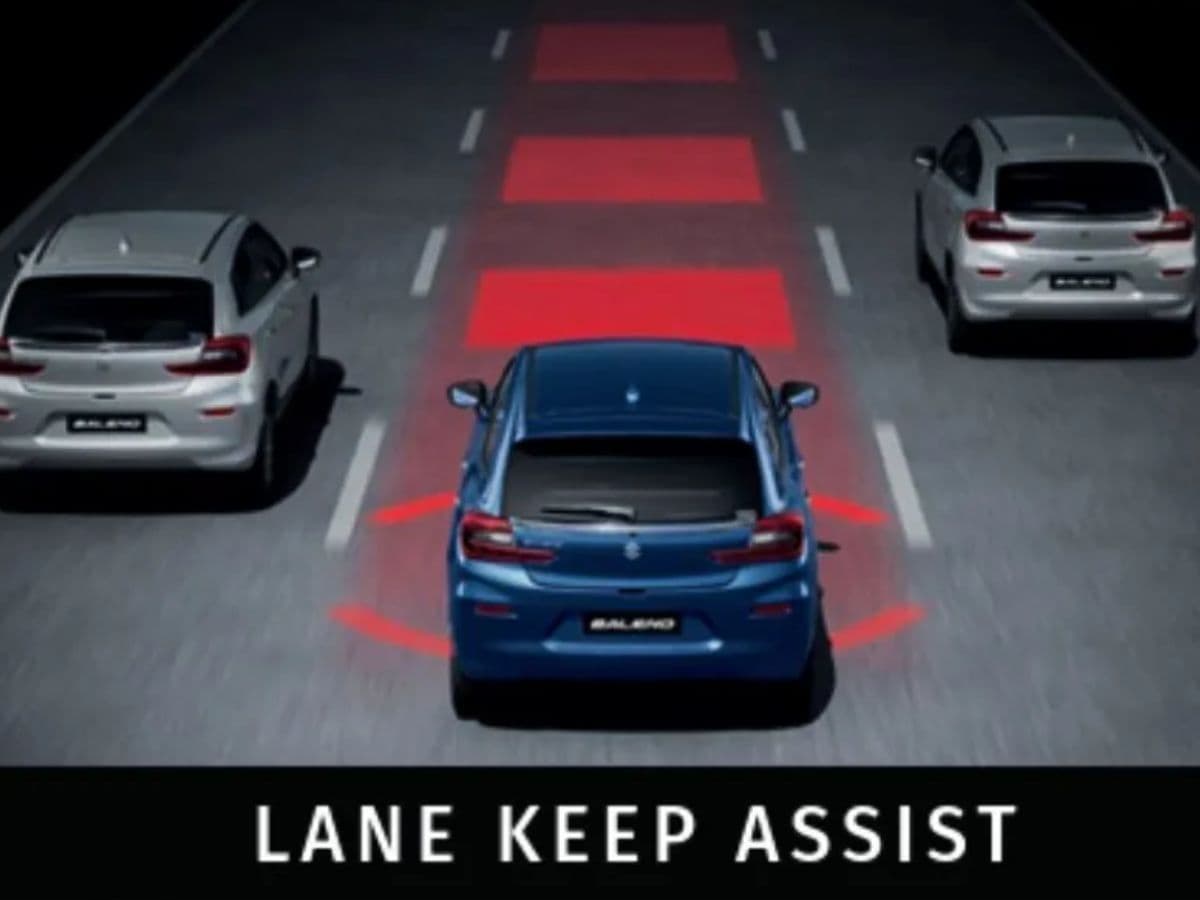
This development reflects a broader industry movement where manufacturers of more accessible vehicles are aggressively integrating advanced technologies and comfort features, traditionally reserved for premium segments. Buyers in the Rs 6 lakh bracket can now expect amenities such as advanced infotainment systems, connected car technology, digital instrument clusters, and even certain driver-assistance features. This aggressive feature packing by mass-market brands aims to attract a wider customer base by offering compelling value propositions, making them highly competitive against vehicles in higher price categories. The focus has shifted from merely providing basic transportation to delivering a comprehensive and feature-rich ownership experience, even at entry-level price points.
For brands like Skoda, which are often associated with robust build quality, sophisticated engineering, and superior driving dynamics, this trend presents a unique challenge. While premium SUVs in the Rs 22 lakh range typically excel in areas like engine performance, safety ratings, and overall refinement, they might sometimes be perceived as lagging in certain "convenience" or "wow" features when directly compared to their significantly cheaper counterparts. This doesn't diminish the inherent strengths of a Skoda SUV, but it does highlight a potential gap in feature perception among a segment of Indian buyers who prioritize visible technology and creature comforts. The expectation from a premium vehicle often includes a comprehensive suite of both core performance attributes and modern technological inclusions.
The direct beneficiaries of this market evolution are Indian consumers. They now have access to a wider range of vehicles that offer enhanced value for money, regardless of their budget. This competitive environment forces all manufacturers, including those in the premium segment, to re-evaluate their product strategies and feature offerings. Buyers are increasingly discerning, expecting a balance of performance, safety, and technology, even from more affordable options. This trend empowers consumers to make choices based on their specific priorities, whether it's outright luxury and driving experience or a feature-packed daily driver that doesn't break the bank. It signifies a maturation of the Indian automotive market, where feature parity is becoming less tied to price segment.
Ultimately, the observation that a Rs 6 lakh car can offer superior features compared to a Skoda SUV in the Rs 22 lakh segment is a testament to the dynamic and competitive nature of the Indian automotive industry. It signals a future where feature sets will continue to democratize, pushing all brands to innovate and deliver more value. For premium manufacturers, this means a renewed focus on differentiating through core strengths while also considering the evolving expectations for in-cabin technology and convenience features. For mass-market players, it's an opportunity to further solidify their position by offering compelling packages that challenge traditional segment boundaries.
News
Feature-Rich Mass-Market Cars Challenge Premium Skoda SUV Segment in India
via Motor Octane
Published 1 October 2026Updated 2 October 20263 min read
A recent market observation highlights a growing trend in India: mass-market cars, priced around Rs 6 lakh, are now offering a more extensive feature set than a Skoda SUV in the Rs 22 lakh segment, challenging traditional perceptions of value.
Originally reported by Motor Octane.